
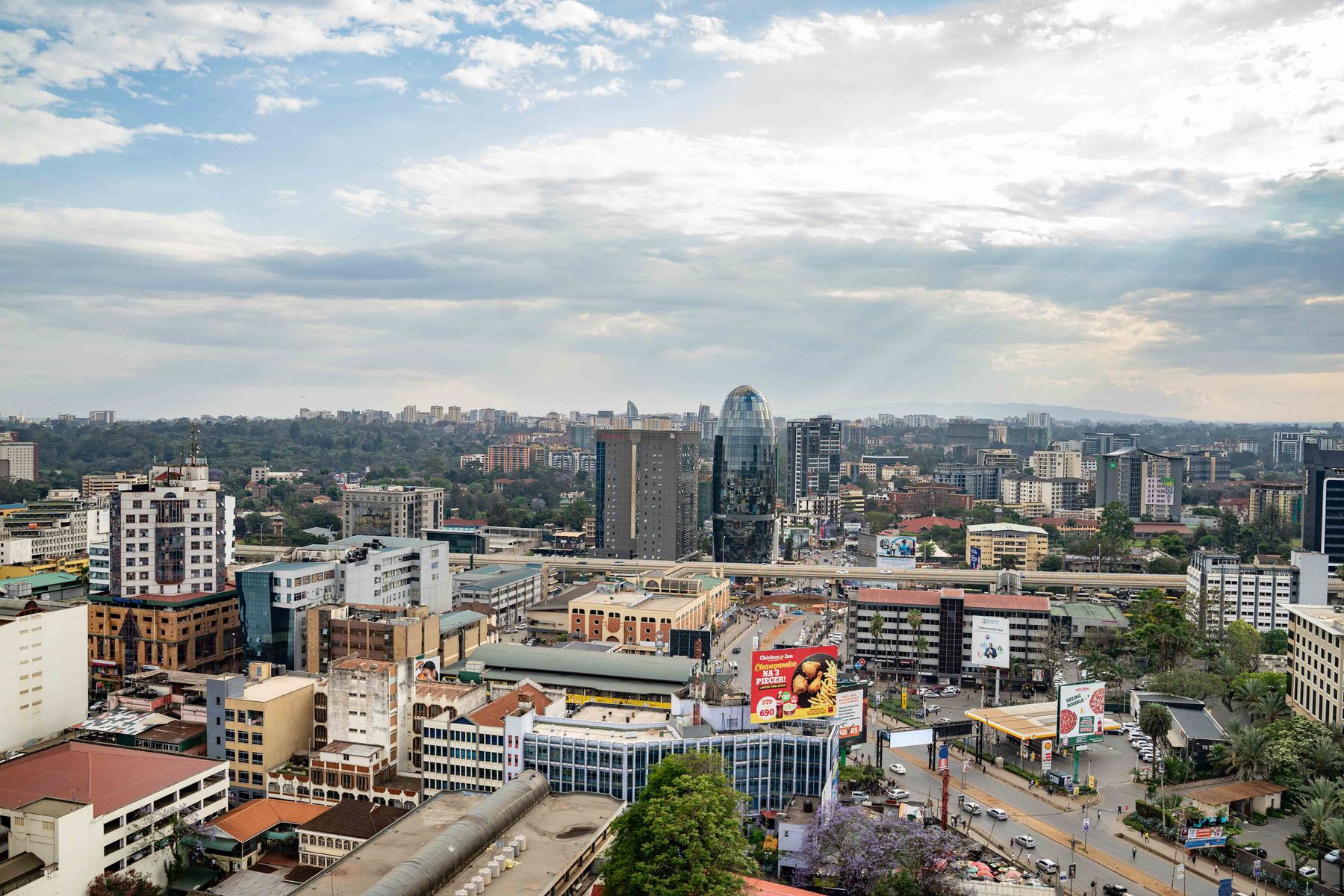
How the matatu network works
Matatus are privately run minibuses that form the backbone of Nairobi's public transport. Each vehicle belongs to a sacco (a savings and credit cooperative) that sets the route and fare. You'll find them at designated stages — not always marked — and they run from roughly 5am to 10pm, with higher frequencies during rush hours. Fares fluctuate with distance, time of day and demand; as a rough guide, short hops within the city centre cost between KES 30 and 50, while longer trips to the suburbs run KES 50 to 100. Always confirm the fare with the conductor before boarding to avoid surprises.
Major stages anchor the system. The Green Park and Country Bus stations near the Railway Museum serve routes to the west and north, while the bus terminal at Moi Avenue handles many eastern destinations. For trips toward Karen and Langata, the stage at Kencom House on Moi Avenue is your starting point. If you're heading to Eastlands, the stages around Fig Tree on Ngong Road and the Ambassadeur area are key. Knowing these hubs will save you time and confusion.
Key routes for visitors
Route 46 from Kencom to Kawangware via Waiyaki Way is handy for Westlands and the Sarit Centre. For Karen, catch Route 24 from Kencom; it runs along Langata Road past the Galleria mall. To reach the David Sheldrick Wildlife Trust, take any matatu heading to Langata and ask the conductor to drop you at the trust's gate — a short walk from the main road. For the Giraffe Centre in Langata, Route 24 also works. Expect journeys of 30–60 minutes depending on traffic, with the longest delays between 7–9am and 5–7pm.
Eastlands routes, such as Route 58 to Embakasi and Route 33 to Kayole, are less frequented by tourists but useful if you're visiting the Nairobi National Park's main gate. From the city centre, catch these at the Ambassadeur stage. For the Bomas of Kenya, take Route 125 from the Bus Station. Fares on these longer routes are typically KES 70–100. If you're unsure, ask a conductor at the stage — they're usually helpful and will point you to the right vehicle.
Riding tips and etiquette
Matatus fill up quickly, and conductors often shout destinations — listen for the call. Have small notes or coins ready; conductors rarely have change for large bills. Sit where you can keep an eye on your belongings, and avoid flashing expensive items. While matatus are generally safe, petty theft can occur at crowded stages, so keep your bag zipped and in front of you. If you're unsure about a route, ask at the stage rather than relying on maps alone.
Peak hours are best avoided if you have flexibility. Mid-morning and early afternoon are calmer. Many matatus are decorated with bright graffiti and loud music — it's part of the experience, but if you prefer quiet, sit near the front. Women travelling alone may prefer to sit near other women or the conductor. Tipping isn't expected, but rounding up the fare is a friendly gesture. For longer trips, consider a taxi or ride-hailing app if you're carrying luggage.
Where to stay for easy matatu access
Basing yourself near the city centre puts you within walking distance of major stages. The area around Kimathi Street and Muindi Mbingu Street has several mid-range hotels (roughly KES 6,000–10,000 per night) and is a 10-minute walk from Kencom. For a quieter stay, Westlands offers hotels from KES 8,000–15,000, with easy access to Route 46. If you plan to spend more time in Karen, lodges there start around KES 12,000 but require a taxi to reach matatu stages.
I'd book in the city centre for a first visit — it's practical and puts you close to the matatu network. The Sarova Stanley and similar hotels are reliable choices, though I haven't stayed there personally. Avoid relying on matatus after dark; use a taxi instead. For the latest fares and routes, ask your hotel's front desk — they often have up-to-date information. With a little preparation, matatus are a cheap and colourful way to see Nairobi.
Questions, answered
Are matatus safe for tourists?
Generally yes, but petty theft can happen at crowded stages. Keep valuables out of sight, use small notes, and avoid travelling after dark. Stick to well-used routes and ask your hotel for advice on current conditions.
How much does a matatu ride cost?
Fares vary by distance and demand, typically KES 30–100. Short city hops are around KES 30–50, while longer suburban routes cost KES 50–100. Always confirm the fare with the conductor before boarding.
Can I use matatus to reach Nairobi National Park?
Yes, take Route 33 or 58 from the Ambassadeur stage to the main gate. The journey takes 30–45 minutes depending on traffic. Alternatively, a taxi from the city centre is quicker and more comfortable.
Doing good is the business: every booking through Stay Nairobi funds one verified tonne of carbon removal — same room, same price, no markup.
Start your search