
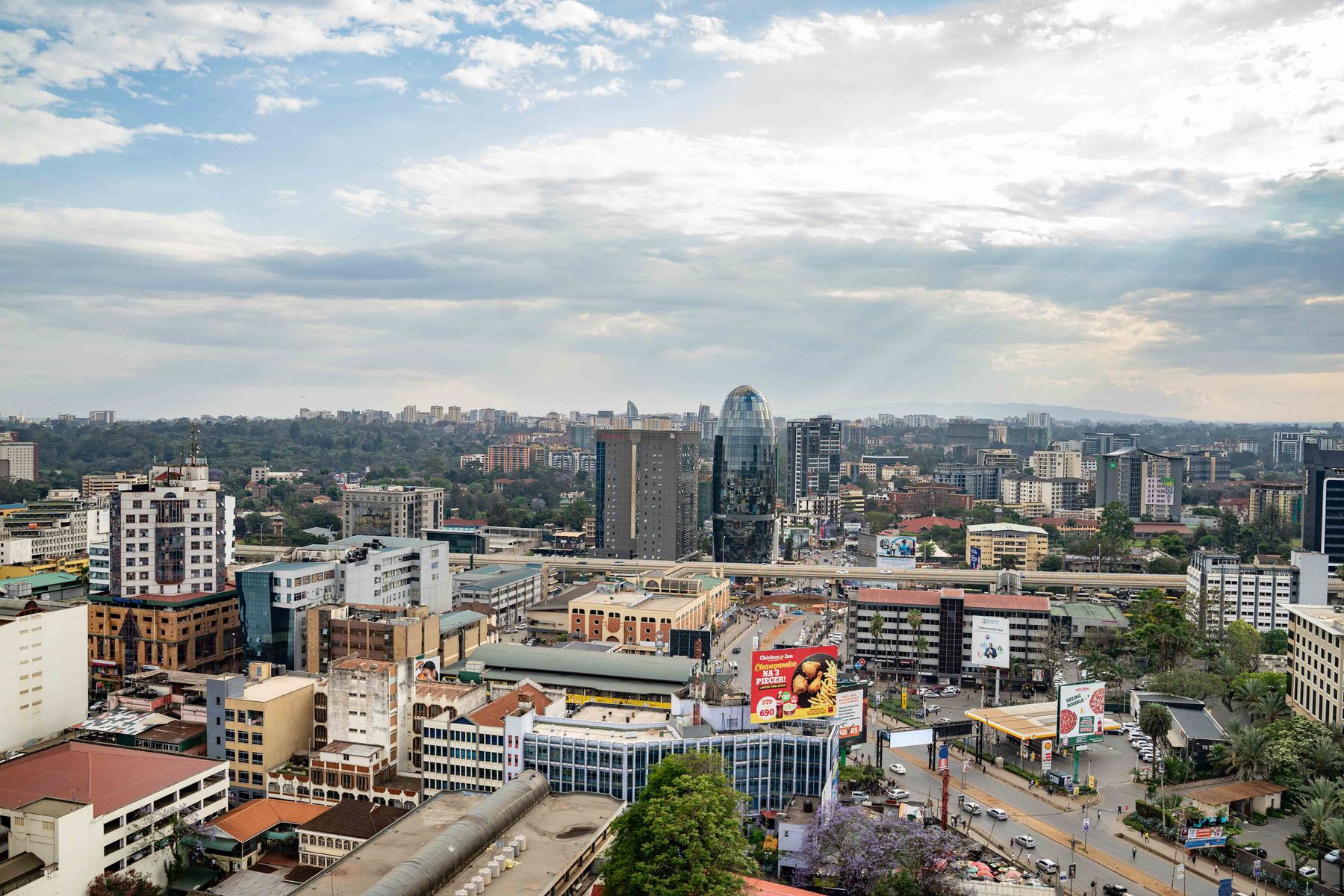

Kilimani and Westlands: Where Craft Beer Started
Kilimani is the practical base for a beer-focused trip. The cluster around Argwings Kodhek Road and the Yaya Centre holds several small breweries and taprooms, most open from midday and busiest after 6pm on Thursdays and Fridays. Expect 400–800 shillings for a pint of local craft lager or pale ale — figure two to three times the price of a supermarket Tusker. Porters, stouts and seasonal fruit beers appear from June to August and again over December. The trade-off is traffic: Argwings Kodhek jams from 5pm, so walk or take a ride-hailing car rather than driving yourself.
Westlands, ten to fifteen minutes further north by car outside rush hour, carries the denser bar scene along Woodvale Grove and Mpaka Road. This is where you find brewery taprooms with kitchen menus, tasting flights of four to six small glasses, and staff who will talk you through hop choices. Prices sit in the same 400–800 shilling band, with food adding 800–1,500 shillings a plate. Kilimani suits travellers who want to walk to dinner; Westlands suits anyone who wants several venues in one evening. For a first visit I would book a hotel in Kilimani, close to Yaya Centre, and take a car to Westlands once.
The Traditional Side: Busaa, Muratina and Local Spirit
Traditional drinks live in the residential estates rather than the business districts. In Kibera, Kawangware and parts of Eastlands you will find small bars serving busaa, a fermented millet drink, and muratina, brewed with a local fruit pod and sold warm. A calabash typically costs 50–150 shillings. These are community spaces, not tourist attractions, and some are men-only or age-restricted by custom; ask your host or a local guide before entering, go in company, and photograph only with permission. The experience is sociable, unhurried and cheap, and it is one of the most genuinely Nairobi afternoons you can have.
For a gentler introduction, several restaurants in Karen and along Ngong Road serve traditional brews alongside grilled meat, presented with more context and English menus, at 300–500 shillings a serving. Kenya's mainstream local drinks are worth knowing too: Tusker and White Cap lagers, Kenya Cane spirit, and the sweet, low-alcohol mbege banana beer from Mount Kenya that appears in specialist bars. Skip the hotel minibar and buy from a supermarket such as Naivas or Carrefour in the Junction Mall or Two Rivers — a bottle costs under 250 shillings and the savings cover a taxi.
Coffee, Tea and the Sober Side of Nairobi
Nairobi's other local drink culture is caffeine. Kenyan single-origin coffee is roasted in small batches around Kilimani and the CBD, and cafés near Kimathi Street and along Ngong Road serve filter coffee at 250–400 shillings with beans to take home. Tea is equally serious: KTDA teas from Kericho and Nandi Hills are sold in supermarkets and specialist shops, with 250-gram packs from around 300 shillings. A visit to a coffee roastery in the Industrial Area or a farm-side tasting in Kiambu, an hour north, adds context if you have a spare morning.
Fresh juice is the everyday drink. Roadside and mall-based juice bars around Yaya Centre, Village Market and Sarit Centre press sugar cane, passion fruit and mango for 100–250 shillings a glass, and the sugar-cane presses are a fixture on River Road and in Eastleigh. Coconut water from street vendors costs about 100 shillings. If you are travelling with children or avoiding alcohol, these are the most reliable options, and they are safe in busy malls. Best months for fruit variety are December to March, when mango and passion fruit are at their peak.
Where to Stay, and What to Skip
For a drinks-led trip, book in Kilimani or Westlands. Kilimani puts you within walking distance of Yaya Centre, several taprooms and a good spread of mid-range hotels from roughly 6,000 to 12,000 shillings a night. Westlands is louder, closer to the nightlife strip and better for late evenings, with hotels in a similar band. Budget travellers should look at the guesthouses around Ngong Road and Hurlingham, where rooms run 3,000–5,000 shillings and matatus or ride-hailing cars reach both districts in fifteen to twenty minutes outside peak hours.
Skip the organised bar crawls sold at city-centre tour desks; they charge a premium for venues you can walk into yourself. Skip trying to visit Kibera's traditional bars alone or after dark. Do not drive yourself between Kilimani and Westlands between 5pm and 8pm — the Waiyaki Way and Ring Road Westlands queues will cost you an hour. The long rains in April and May close outdoor terraces for weeks, so plan a dry-season visit between January and March or July and October, when evenings are cool enough to sit outside comfortably.
Where to stay
Hotels in Kilimani
Good to know
Questions, answered
Which Nairobi neighbourhood is best for craft beer?
Kilimani and Westlands have the highest concentration of breweries and taprooms. Kilimani is easier on foot around Yaya Centre; Westlands has more venues per street and stays open later. Book a hotel in either for easy access.
Is it safe to try traditional drinks like busaa?
Traditional bars in Kibera and Kawangware are community spaces rather than tourist venues. Go with a local host or guide, during daylight, and ask before entering or photographing. Drink in moderation and avoid unlicensed outlets.
When is the best time to visit Nairobi for a drinks trip?
January to March and July to October are dry and mild, ideal for outdoor terraces. Avoid the long rains of April and May, when many open-air bars close and roads flood. December is festive but crowded and pricier.
Doing good is the business: every booking through Stay Nairobi funds one verified tonne of carbon removal — same room, same price, no markup.
Start your search