
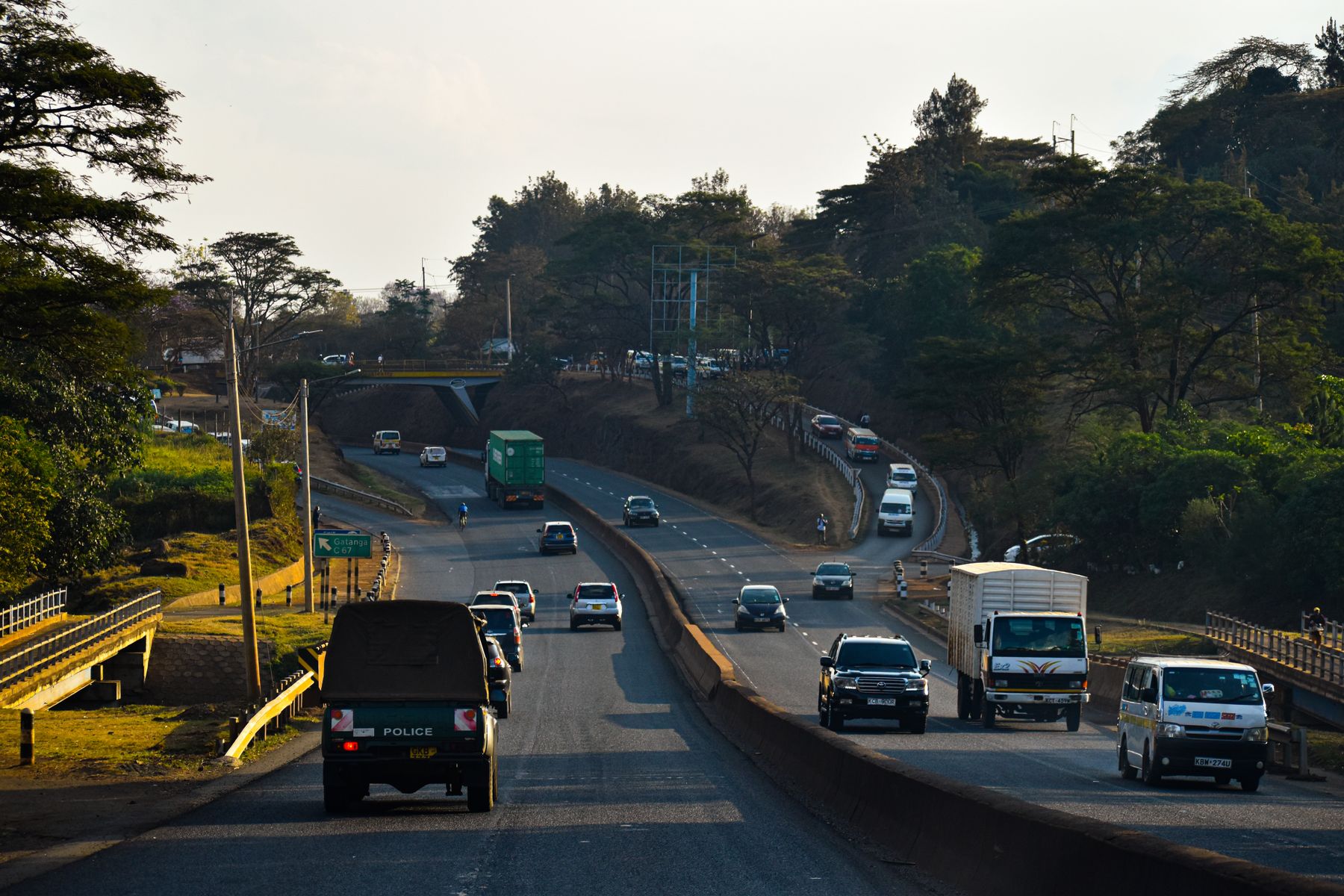
Karura Forest: the one walk to build a trip around
Karura Forest opens its gates at 6am and is the single best early walk in Nairobi. Enter at the Limuru Road gate near the Kenya School of Monetary Affairs, or the Sigiria gate off Kiambu Road, and you have roughly two hours of cool air before the sun turns strong. The loop to the waterfall from the Limuru gate runs about 5km and takes 60 to 90 minutes at walking pace. Security is visible and patrols are regular; entry is charged per adult and per vehicle, so bring cash and a jacket.
Paths are wide, red-earth and well marked, with numbered junctions, so you will not get lost. Birdlife is the draw: turacos, hornbills and barbets are loud from first light. Weekends bring runners and cyclists, so go on a weekday if you want quiet. I would book a hotel in Westlands or Parklands for this one; the drive to the Limuru Road gate is 15 to 25 minutes outside rush hour, and you avoid crossing the whole city before dawn.
Ngong Road Forest and the city's quieter green edge
Ngong Road Forest Sanctuary, accessed off Ngong Road near the Racecourse, is the smaller, less-visited alternative to Karura. It opens early and charges a modest entry fee. Trails are shorter, around 3 to 4km of interconnected paths, and the ground is uneven in places after rain, so wear shoes with grip. You will see fewer people and more monkeys. It suits travellers staying in Kilimani, Lavington or Kileleshwa, where the drive is 10 to 15 minutes.
If you only have one morning for a forest walk, choose Karura. Ngong Road Forest is better as a second walk or a short outing combined with a late breakfast. Skip it entirely in the heaviest April and May rains, when paths hold water and the mosquitoes are worse. The best months for any Nairobi green walk are January to March and June to October, when mornings are dry and cool.
The CBD at dawn: architecture, markets and empty streets
Central Nairobi is at its most walkable between 6am and 8am, before matatus and office traffic fill the streets. Start at the Jeevanjee Gardens on Moi Avenue, walk down to the Galton Fenzi Memorial and the law courts, and loop past the Nairobi Gallery at the old Provincial Commissioner's office. The Catholic basilica on Muhoho Avenue is worth a respectful look from outside. Do not carry a phone in your hand; keep your bag zipped and walk purposefully.
City centre walking depends on daylight and momentum rather than trails. Two hours covers a lot of ground. Combine it with the City Market on Muindi Mbingu Street, which is busiest from 6am as produce arrives. I would not book a hotel in the CBD itself for this; stay in Westlands or Upper Hill and take a short taxi in at 6am, which costs a fraction of the daytime fare and takes 10 to 20 minutes depending on where you start.
Karen and Langata: forest edges and open roads
The Karen and Langata side of the city gives you longer, flatter roadside walks with tall trees and low traffic before 7am. A pleasant route runs along the quieter lanes near the Karen Country Club and the Langata Link, past hedged gardens and mature jacarandas. There is no formal trail, so this is a walk for people who like residential streets and are comfortable with a map. Drive times from the centre run 30 to 45 minutes.
Further out, the Ngong Hills offer a proper ridge walk, but it is outside the city and needs a full morning, so treat it as a side trip only. Within Nairobi, the Karura Sigiria gate is the better target if you are staying in Karen or Langata: 20 to 30 minutes by car from 6am. The Nairobi National Park's walking is not permitted without a guide, so do not plan a self-guided dawn walk there. Book a hotel in Karen only if you have a car or a driver; otherwise the transport cost outweighs the convenience.
Practicalities for a pre-dawn start
Nairobi sits near the equator, so first light arrives around 6:15am and darkness lifts quickly. It is still dim at 6am, so carry a small torch and wear something visible. Do not walk alone in unfamiliar areas before sunrise; a companion or a guide is worth the cost. Ride-hailing apps are reliable at that hour in Westlands, Kilimani and Karen, but scarce in the CBD before 6am, so book the night before.
Pack water, a light rain shell and cash for entry fees. A common mistake is dressing for a hot afternoon; Nairobi mornings at 1,700m are genuinely cold, often around 12 to 14°C. Do not attempt a long walk on your first morning after a long flight; give yourself a day. If your priority is a single memorable walk, base yourself in Westlands: it is 20 minutes from Karura, 15 from the CBD edge, and has the widest choice of rooms.
Questions, answered
What time should I start a morning walk in Nairobi?
Plan to start at 6:15 to 6:30am, just after first light. Karura Forest opens at 6am, and the CBD is at its quietest until about 8am, when traffic builds. Any later and heat and congestion both increase.
Is it safe to walk in Nairobi early in the morning?
Green spaces such as Karura and Ngong Road Forest have visible security and are the safest options. In the CBD, walk with purpose, avoid displaying phones, and go with a companion. Use common travel sense everywhere; do not walk alone in unfamiliar areas before sunrise.
How much does Karura Forest cost to enter?
There is a per-adult entry fee plus a vehicle charge at the gate, payable in cash or by mobile money, and rates are posted on site. Ask your hotel to confirm the current figure, as fees change. Budget modestly; this is not an expensive outing.
Which area of Nairobi should I stay in for early walks?
Westlands is the most practical base: 15 to 25 minutes from Karura's Limuru Road gate, close to the CBD, and with plenty of rooms. Kilimani and Lavington work well for Ngong Road Forest. Karen suits travellers with their own vehicle.
Do I need a guide for a forest walk?
No, the marked trails in Karura and Ngong Road Forest are easy to follow unaided. A guide helps if you are a birdwatcher or want interpretation of the forest's history. For city walks, a local guide is worth considering for context and confidence.
When is the best time of year for morning walks in Nairobi?
January to March and June to October are the driest and most comfortable. The long rains of April and May make forest paths muddy and mosquito-heavy. July and August mornings can be surprisingly cold, so bring a warm layer.
What should I wear and carry?
Sturdy shoes with grip, a warm layer for the 12 to 14°C morning chill, a light rain shell in the wetter months, a small torch, water and cash for entry fees. Leave valuables in the hotel safe and keep your phone out of sight.
How do I get to Karura Forest without a car?
Ride-hailing apps work reliably from Westlands, Parklands and Kilimani at that hour, and the trip takes about 15 to 25 minutes. Book the previous evening and arrange the return at the gate; app availability is patchier at the forest itself.
Doing good is the business: every booking through Stay Nairobi funds one verified tonne of carbon removal — same room, same price, no markup.
Start your search