
Why June and July Feel Different in Karen
June and July sit in Nairobi's long-rains shoulder, but by mid-June the afternoon downpours usually thin out and the air turns dry and cool: expect roughly 12-14°C at dawn, 21-23°C by afternoon, and a light jacket worth packing for evenings. Karen sits around 1,700-1,800 metres above sea level, so it is a degree or two cooler than the city centre. Roads through the suburb empty noticeably during these weeks, and the jacaranda-free winter light makes the gardens and forest edges especially clear.
The trade-off is cloud and the odd grey morning. Mornings can start damp and overcast before clearing by 10am, which is why garden breakfasts often turn into late brunches. If you want the crispest conditions, aim for the second half of June and all of July; the long rains end earlier than the short rains in November. Pack layers rather than heavy coats, and bring closed shoes — Karen's lanes and garden paths stay soft for a day or two after rain.
What to Actually Do With a Quiet Day
The Giraffe Centre on Duma Road is the obvious anchor and best visited right at 9am opening, when the raised platform is calm and the giraffes are active; allow 60-90 minutes. The adjacent AFEW sanctuary walk is short but worthwhile. Ten minutes further along is the David Sheldrick Wildlife Trust elephant orphanage on Magadi Road, open to the public for a single one-hour viewing at 11am — book online in advance, as slots sell out, and pair it with the Giraffe Centre for a full morning.
Karen Blixen Museum, on the old coffee farm off Karen Road, is a gentle 45-60 minute visit and pairs well with a slow lunch. For something more active, the Ngong Hills forest trails start about 25-30 minutes' drive south-west of Karen along Ngong Road; go with a guide and start early. Skip the weekend craft markets if you want quiet — they draw crowds from Westlands and Kilimani. My pick: Giraffe Centre first, elephant orphanage second, lunch, then Blixen if energy holds.
Getting There, Getting Around and Where to Sleep
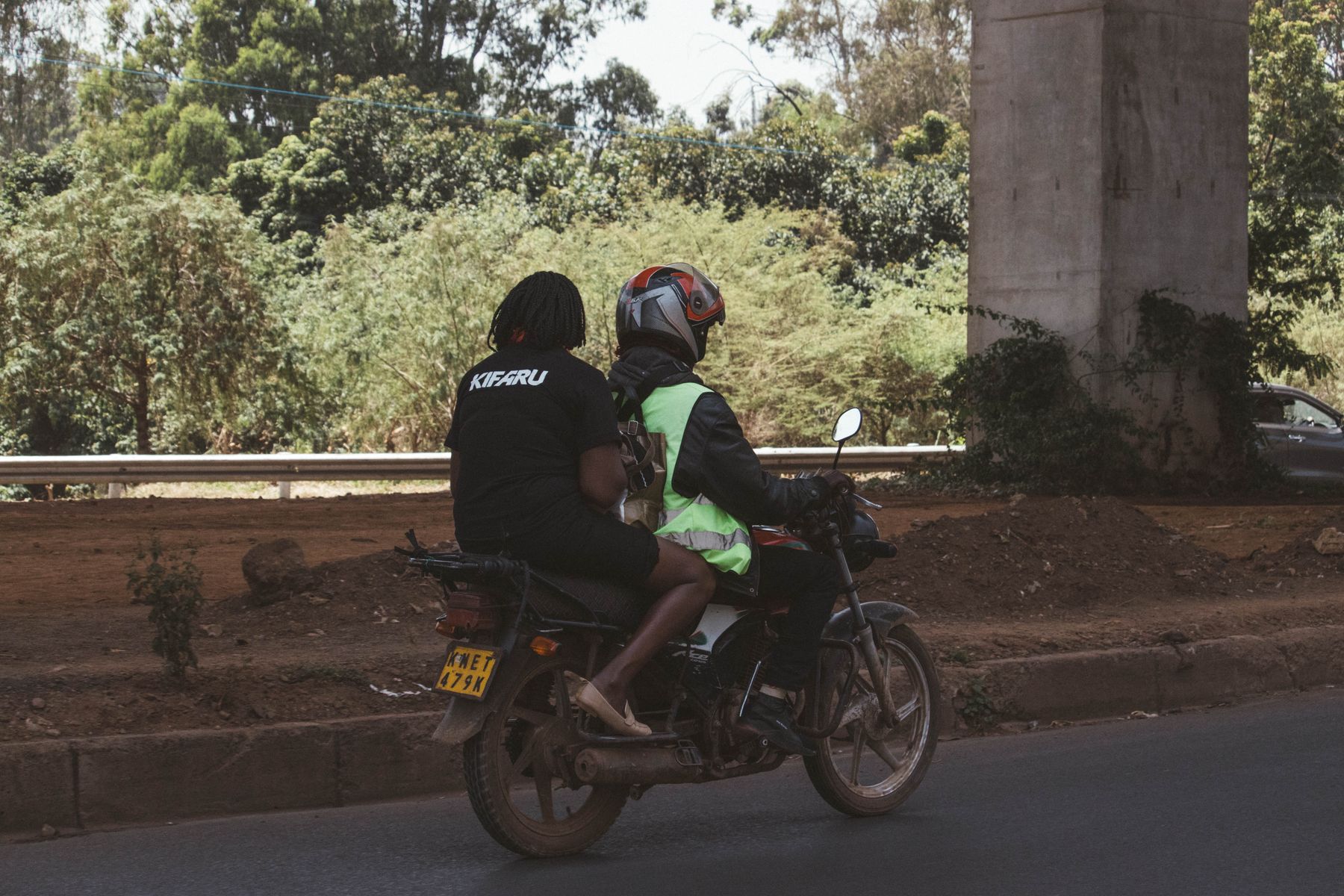
From JKIA, the drive to Karen is 35-55 minutes via Mombasa Road and the Southern Bypass, or longer in the 7-9am and 5-7pm peaks — budget 75 minutes if you land at rush hour. Ride-hailing apps work well and a cross-suburb trip to Westlands typically runs 30-45 minutes. Matatus run along Ngong Road and Langata Road, but for the scattered sights a private car or app-based taxi is realistically the only sensible option. There is no train serving Karen.
The suburb rewards staying in it rather than commuting. Karen and Langata have a spread of garden hotels, guesthouses and small boutique properties, generally mid-range to upper-mid; book a place with a garden and a fireplace or heater, because July nights are genuinely cold by Nairobi standards. I would choose a hotel off Karen Road or Langata Road for easy access to both the Giraffe Centre and the bypass, and avoid anything directly on busy Ngong Road if quiet is the point.
Eating, Costs and Local Sense
Karen's dining is garden-driven: long lunches under trees, wood-fired pizza, farm-shop cafés and a couple of reliable brunch spots around the Karen Shopping Centre and the Waterfront complex. Expect Nairobi mid-range prices rather than budget ones — main courses at garden restaurants commonly fall in the mid-range band you would pay in Westlands, and a coffee-and-pastry stop is cheaper. The Karen Country Club area is members-focused, so plan around public venues. Carry cash for smaller vendors and tips.
Weekdays are far calmer than weekends, when Nairobi families drive out for brunch and the Giraffe Centre car park fills by mid-morning. If your dates are flexible, book Tuesday to Thursday. June and July are also peak season for international visitors, so reserve the elephant orphanage and any popular garden restaurant a week ahead. Side note: if you are extending your trip up-country, Nakuru is currently the most-searched destination on our site and pairs naturally with a Rift Valley leg.
Related articles
Questions, answered
How cold does Karen get in June and July?
Expect dawn temperatures around 12-14°C and afternoon highs of 21-23°C, with the suburb slightly cooler than central Nairobi because of its altitude. Evenings drop fast after 6pm, so bring a fleece or light jacket and something warm for outdoor dinners.
Do I need to book the Giraffe Centre and elephant orphanage in advance?
Book the Sheldrick elephant orphanage online ahead of time, since public viewing is a single daily hour at 11am and slots fill in peak season. The Giraffe Centre on Duma Road is easier to visit on the day, but arriving at 9am opening keeps the platform quiet.
How long is the drive from Nairobi airport to Karen?
Allow 35-55 minutes via Mombasa Road and the Southern Bypass outside peak hours. Landing between 7am and 9am or 5pm and 7pm can stretch that to about 75 minutes, so factor the traffic into any same-day plans.
Is Karen walkable for a visitor?
Not really. Sights are spread along Karen Road, Langata Road, Duma Road and Magadi Road, with soft verges and no continuous pavements. Most visitors use a private car or ride-hailing app, which is also the practical way to reach the Ngong Hills trailhead.
Which months are best for a quiet Nairobi trip?
Late June and July offer dry, cool days and lighter traffic than the November short rains or the busy December holidays. Weekdays are noticeably calmer than weekends, when Nairobi families fill the garden restaurants and the Giraffe Centre car park.
What should I pack for Karen in winter?
Layers are key: a warm mid-layer for mornings and evenings, a light rain shell for the occasional grey morning, closed shoes for damp garden paths, and sunscreen for clear afternoons. A torch is useful at guesthouses with unlit garden paths.
Where should I stay in Karen?
Choose a garden hotel or guesthouse off Karen Road or Langata Road for easy access to the Giraffe Centre, the elephant orphanage and the Southern Bypass. Avoid properties directly on busy Ngong Road if quiet is your priority, and check that heating is provided for July nights.
Can I combine Karen with a trip to the Rift Valley?
Yes. Karen sits close to the Southern Bypass and the road west, making a Rift Valley extension straightforward. Nakuru is currently the most-searched destination among our visitors, and the drive from Nairobi typically takes around two and a half to three hours depending on traffic.
Doing good is the business: every booking through Stay Nairobi funds one verified tonne of carbon removal — same room, same price, no markup.
Start your search