
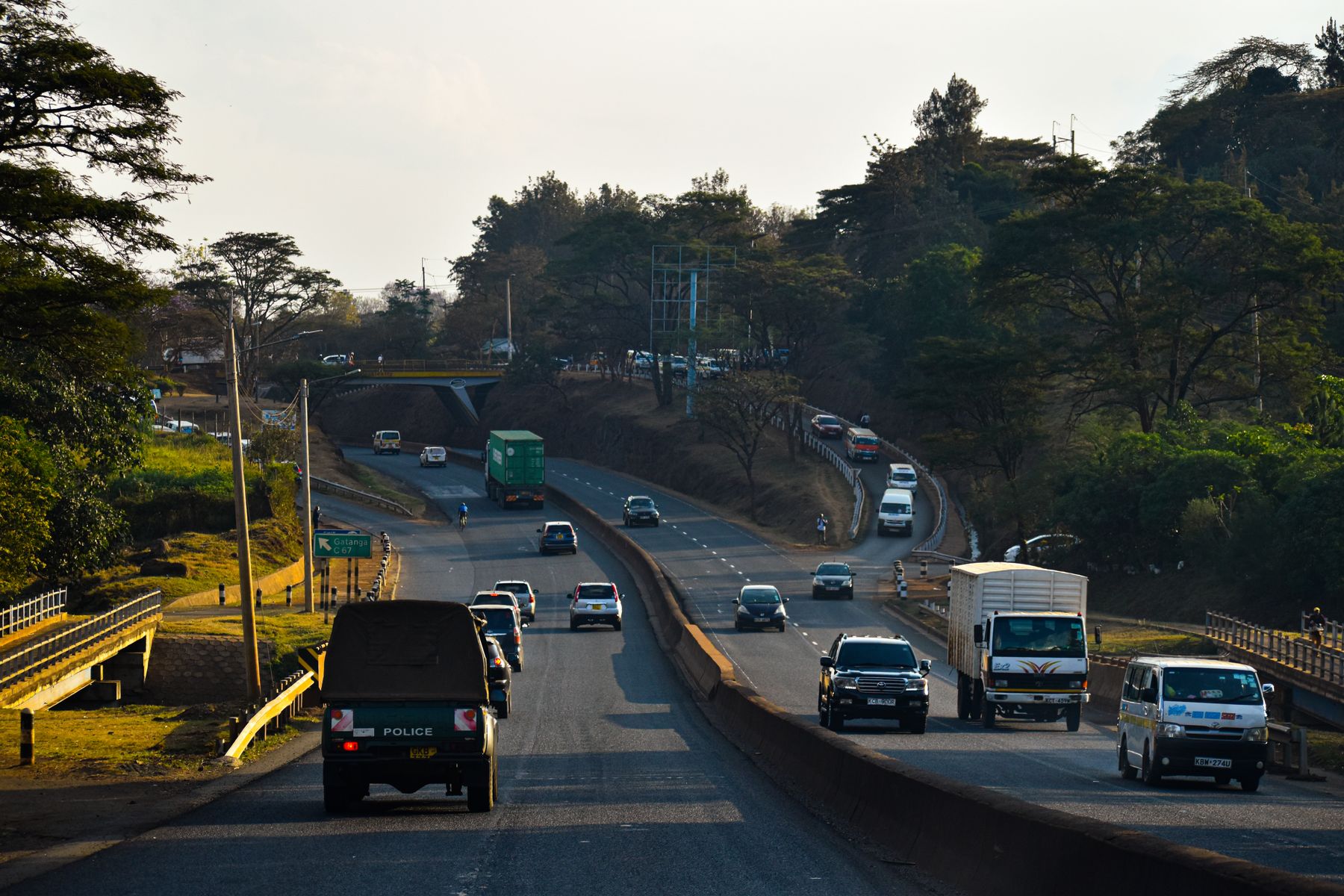
Why Altitude Matters in Nairobi
Nairobi sits at about 1,795 metres (5,889 feet) above sea level, which is high enough to affect how you feel and what you should pack. The air is thinner, so you dehydrate faster and may tire more quickly on your first day. The sun is also fiercer: UV levels run about 15–20% higher than at sea level, so sunburn happens faster even on cloudy days. Temperatures swing widely—mornings in July and August can be 10°C (50°F), while afternoons reach 25°C (77°F). Layering is essential, not optional.
Pack light, breathable layers you can add or remove: a base T-shirt, a fleece or light jumper, and a windproof shell. Cotton is fine for dry days, but quick-dry fabrics are better for the long rains in April–May and short rains in November. Bring a wide-brimmed hat, sunglasses with UV protection, and lip balm with SPF. A reusable water bottle is a must—you'll need to drink more than usual. Don't forget comfortable walking shoes for uneven pavements and a small daypack for city excursions.
Packing List Adjustments for the Altitude
Sun protection is non-negotiable: pack SPF 30+ sunscreen and reapply every two hours, even if it's overcast. A light scarf or buff is handy for dusty days and cool evenings. Nights can be chilly, especially in June–August, so a compact umbrella won't cut it—bring a warm mid-layer. If you're prone to altitude sickness, note that Nairobi's elevation is usually too low to cause serious symptoms, but you might feel mild breathlessness on stairs or hills. Take it easy on day one and avoid heavy exercise.
For day trips, carry a small first-aid kit with painkillers and rehydration salts. Insect repellent is wise for evening outings, though Nairobi's altitude keeps mosquito numbers lower than on the coast. A power bank is useful for long days out, as you'll likely use your phone for maps and photos. Leave heavy jeans and thick jackets at home; instead, opt for versatile pieces like a packable rain jacket and a warm hat for early game drives if you're heading to Nairobi National Park.
How Altitude Shapes Your Daily Itinerary
Plan your first day gently: light walks in areas like Karen or Langata, where the air is fresh and the pace slower. The Giraffe Centre and David Sheldrick Wildlife Trust are at similar altitudes and involve gentle walking. Avoid scheduling a demanding hike on arrival day. Instead, visit the Nairobi National Museum or take a leisurely lunch in Westlands. The thin air can make you feel dehydrated, so keep water handy and pace yourself. Afternoon thunderstorms are common in March–May and October–November, so schedule indoor activities then.
For outdoor pursuits, mornings are best: temperatures are cooler, the air is clearer, and UV is lower. The Karura Forest trails are perfect for a morning walk—shaded and relatively flat. If you're visiting Nairobi National Park, go early to catch wildlife before the heat. Remember that alcohol hits harder at altitude, so moderate your intake. By evening, you'll appreciate a warm layer; temperatures drop quickly after sunset. A hotel with a fireplace or cozy lounge, like those in Karen, can be a welcome retreat.
Choosing a Hotel That Works with the Altitude
When booking, prioritise comfort: a hotel with reliable heating (yes, it gets cold at night) and good ventilation. Properties in Karen and Langata offer garden settings and quieter surroundings, ideal for acclimatising. Westlands and the city centre are more bustling but convenient for business. Expect to pay from around $80–150 per night for mid-range hotels, and $200+ for upscale options in Karen. Check if your room has a kettle—hydration is key, and having hot water for tea helps.
I'd book a hotel in Karen for a first visit: the altitude feels less intense amid the greenery, and you're close to major attractions. Avoid staying in the far east (e.g., Embakasi) unless you need the airport; the traffic and altitude combine to make days tiring. For a balance of value and location, consider boutique hotels in Kilimani. Wherever you stay, ask for a room on a lower floor if you're sensitive to altitude—fewer stairs means less breathlessness. And always keep a water bottle by your bed.
Questions, answered
Do I need to worry about altitude sickness in Nairobi?
Serious altitude sickness is rare at 1,795 metres, but you may feel mild breathlessness or fatigue on your first day. Take it easy, stay hydrated, and avoid strenuous activity for the first 24 hours.
What should I pack for Nairobi's altitude?
Pack layers: a warm fleece, a windproof jacket, a hat, sunglasses, and SPF 30+ sunscreen. Bring a reusable water bottle and comfortable walking shoes. A light scarf is useful for dusty or cool conditions.
Is it cold at night in Nairobi?
Yes, nights can be chilly, especially from June to August when temperatures drop to around 10°C (50°F). A warm mid-layer and a hat are essential for evenings and early mornings.
Doing good is the business: every booking through Stay Nairobi funds one verified tonne of carbon removal — same room, same price, no markup.
Start your search