
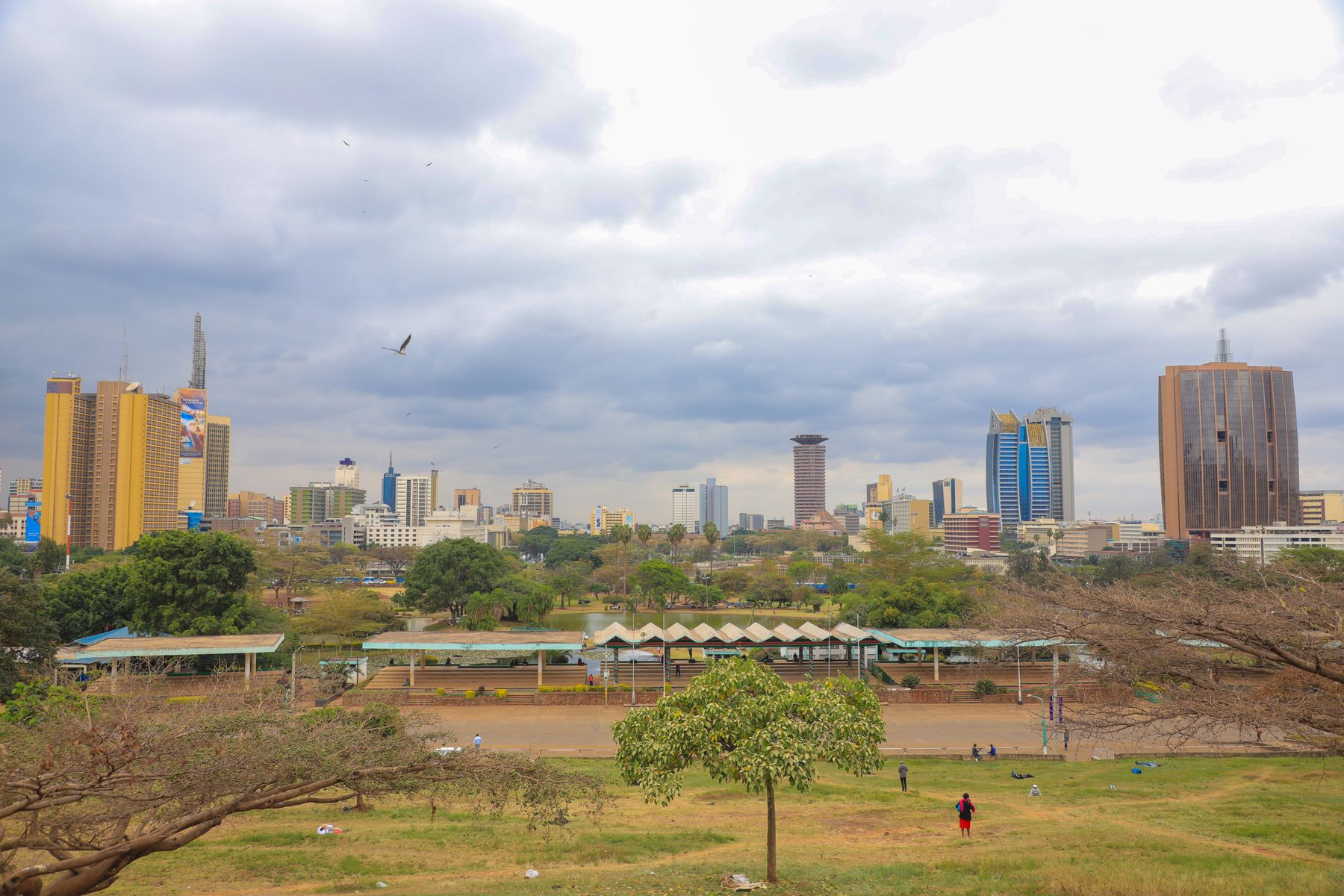
The Two Airports and What They Mean for You
Nairobi has two airports and they are not interchangeable. Jomo Kenyatta International (JKIA) sits southeast of the city off Mombasa Road and handles almost all international traffic. Wilson Airport, 12 km west near Langata, serves domestic flights to the Maasai Mara, Amboseli, Lamu and Nanyuki. If you are flying in from Europe, the Gulf or another African capital you will land at JKIA; if you are connecting from a safari, you may well arrive at Wilson, which is roughly 10 km and 25–35 minutes from Kileleshwa depending on the Southern Bypass.
From JKIA the route is Mombasa Road to the Southern Bypass, then up Waiyaki Way or through Ngong Road and James Gichuru. That is about 22 km via the bypass. The old road through town, past Nyayo Stadium and along Kenyatta Avenue, is shorter on paper and far slower in practice. Kileleshwa itself straddles the ridge between Waiyaki Way and Gitanga Road, next to Lavington and Kilimani, and most of its hotels cluster on Ring Road Kileleshwa, Othaya Road and Kandara Road.
Taxis, Ride-Hailing and What Things Actually Cost
There is no commuter train from JKIA into the city, and the bus network is not something to attempt with luggage on arrival. Your options are a pre-booked transfer, an airport taxi from the rank outside Arrivals, or a ride-hailing app. Airport taxis quote in the region of 2,500–4,000 Kenyan shillings to Kileleshwa; app fares from the terminal run lower, commonly 1,500–2,500 shillings, but surge pricing applies when several international flights land together. Hotel-arranged transfers sit at the top of that range and buy you a driver holding a name board in the arrivals hall.
For a first visit, I would book the hotel transfer. It costs more but removes the negotiation at 11pm after a nine-hour flight. For a repeat visitor, order an app car from the designated pick-up area once you have cleared immigration, and pay in cash or by mobile money. A useful sanity check: if the driver asks for payment before you reach Waiyaki Way, you are being overcharged. Confirm the fare in the app or in writing before the boot closes.
Timing the Drive: Traffic, Seasons and Flight Choices
Nairobi traffic is the single biggest variable. Mombasa Road inbound is congested from roughly 6.30am to 9.30am and again from 4.30pm to 8pm. A mid-morning or early afternoon arrival can get you to Kileleshwa in 40–45 minutes; a 7am landing on a weekday has taken me over an hour and a half. Evening arrivals after 8pm are usually quick. The Southern Bypass has improved the run considerably, but it backs up where it meets Waiyaki Way at Kangemi during peak hours.
Rain matters more than most visitors expect. The long rains fall in April and May, the short rains around November, and a heavy afternoon storm can add 30 minutes to any route as low sections flood. June to September and January to February are the driest and most predictable months for transfers. If your flight lands during the evening peak, consider a hotel in Kilimani or Upper Hill for the first night and move to Kileleshwa the following morning — though for most travellers the extra stop is not worth the unpacking.
Where to Base Yourself in Kileleshwa
Kileleshwa is a residential suburb of apartment blocks and low-rise hotels rather than a tourist district, which is exactly why people choose it. You get quiet nights, secure compounds and easy access to Westlands, Parklands and the Karura Forest gates off Limuru Road. Rates for mid-range hotels and serviced apartments commonly fall in the 8,000–15,000 shilling band per night, with the upper end buying a gym, pool and reliable backup power. There is a cluster of small hotels along Ring Road Kileleshwa and around the Yaya Centre end of the suburb.
Compare that with the city centre, where the same money buys less space and more noise, or Westlands, which has better restaurants on the doorstep but heavier evening traffic on the way in. I would book Kileleshwa for a stay of three nights or more, particularly if you want to work or travel with family, and stay in Westlands or Kilimani for a two-night stop. Skip hotels advertised as "airport-adjacent" if your business is in the west of the city; you will spend your trip on Mombasa Road.
A note on arrival logistics: mobile money is near-universal, but a small amount of cash helps for tips and for the case where card machines are down. Arrange a SIM card at the airport while you wait for bags rather than in town. If your onward plans include the Rift Valley, buses to Nakuru leave from the city, so allow the extra hour from Kileleshwa to the departure point when planning that leg.
FAQ
Common questions about the JKIA–Kileleshwa transfer, answered plainly.
Related articles
Questions, answered
How far is Kileleshwa from JKIA?
About 22–25 km by road via Mombasa Road and the Southern Bypass. Expect 40–50 minutes outside peak hours and up to 90 minutes during weekday morning or evening rush.
What is a fair taxi fare from the airport?
Airport rank taxis typically quote 2,500–4,000 Kenyan shillings to Kileleshwa. Ride-hailing app fares are usually lower, around 1,500–2,500 shillings, but surge applies when several flights land at once.
Is there a train from JKIA to the city?
No. The commuter rail network does not serve the airport. Road transport — taxi, ride-hailing or pre-booked hotel transfer — is the practical option for all arrivals.
Should I book a hotel transfer or use an app?
Book the hotel transfer on a first visit, especially for late arrivals; a driver meeting you in the hall is worth the premium. Use an app if you know Nairobi and are travelling light.
When is the best time to arrive to avoid traffic?
Mid-morning to early afternoon on weekdays, or any time after 8pm. Landings between 6.30am and 9.30am, or 4.30pm and 8pm, run into the worst congestion on Mombasa Road.
Which months have the least rain for transfers?
June to September and January to February are driest. April and May bring long rains and November short rains, when flooded stretches can add 30 minutes or more to the drive.
Can I fly into Wilson Airport instead?
Yes, if you are arriving from a domestic safari. Wilson is about 10 km from Kileleshwa, a 25–35 minute drive depending on the Southern Bypass and Ngong Road traffic.
What should I have ready before leaving the airport?
A local SIM card bought in the terminal, some Kenyan shillings in cash for tips, and your hotel's address and phone number written down for the driver. Card machines occasionally fail.
Doing good is the business: every booking through Stay Nairobi funds one verified tonne of carbon removal — same room, same price, no markup.
Start your search